What Is Vinyl Plush? Materials, Construction and Why Collectors Love It
A clear explanation of vinyl plush toys: how a rotocast vinyl face is combined with a plush body, the materials used and why the format is so popular.
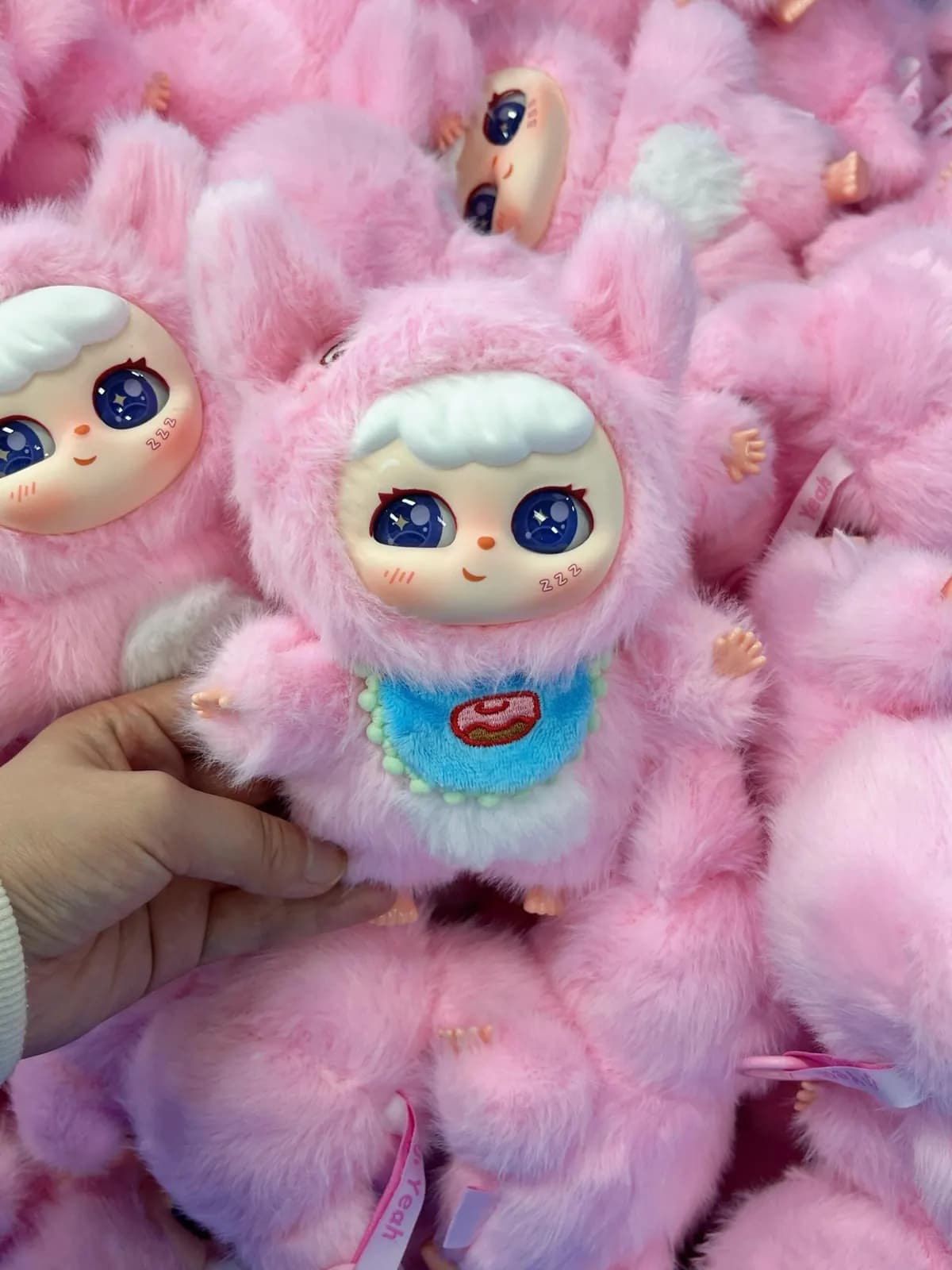
Definition
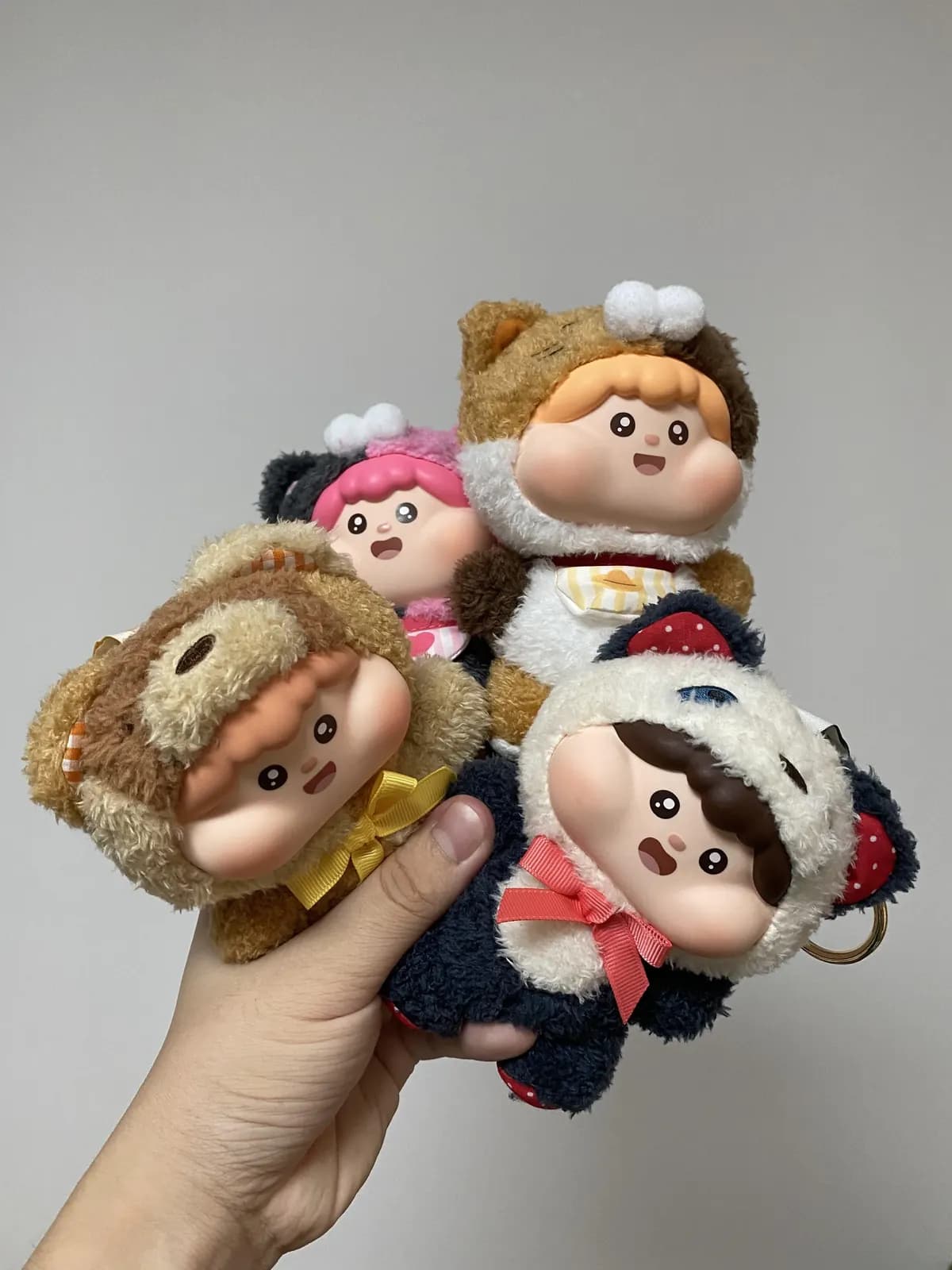
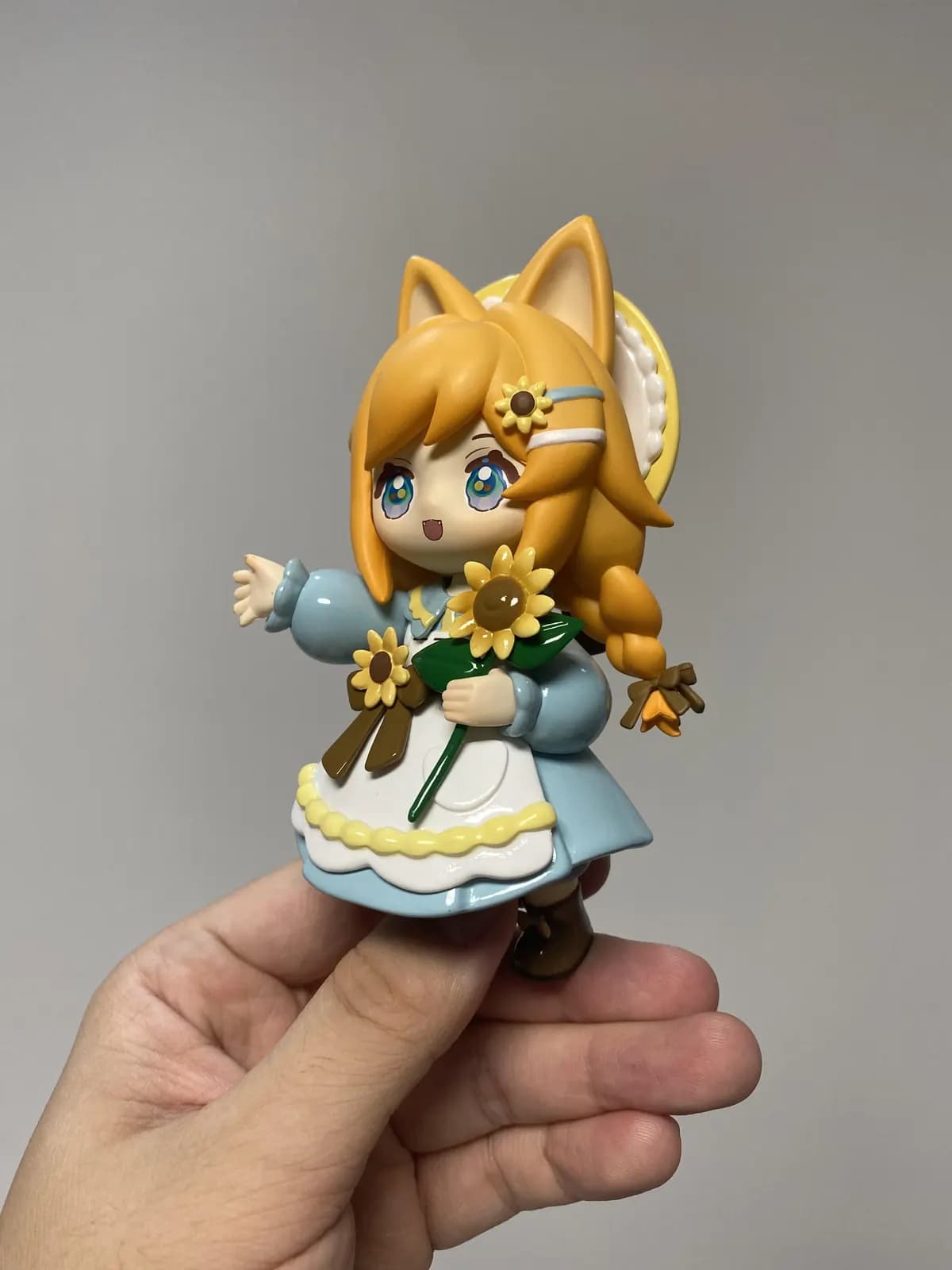
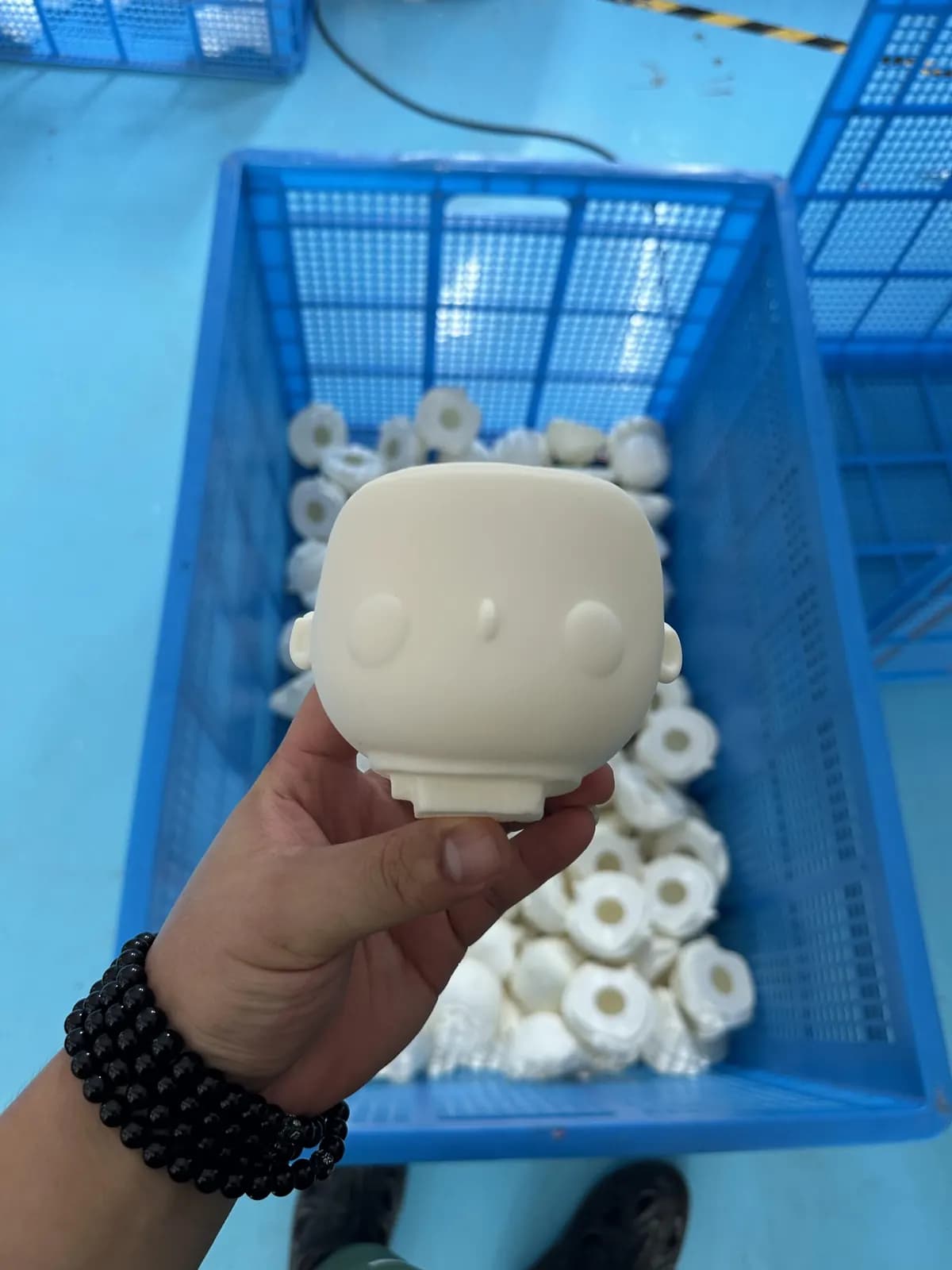
A vinyl plush toy is a soft toy that combines a plush (fabric) body with a face, head or hands made of soft vinyl — a flexible, phthalate-free PVC. The vinyl part is usually produced by rotocasting, which creates a hollow, lightweight shell with precise sculpted detail.
The result is a toy with the expressive face of a collectible figure and the softness of a stuffed animal. That mix is why vinyl plush has become one of the most popular formats in the designer toy and blind box market.
How it is constructed
The vinyl face is sculpted in 3D, cast in a metal mold, trimmed and then decorated: eyes are pad printed in several colors and blush or highlights are sprayed or hand painted.
The plush body is cut from a pattern and sewn from fabrics such as short plush, long-pile faux fur or curly lamb fleece. The face is then fixed to the body with a sewn collar, a plastic ring or a clip, so it cannot be pulled off.
Materials buyers should ask about
For the vinyl, ask for phthalate-free PVC and confirm the hardness, which affects how soft the face feels. For the plush, ask about pile height, density and color fastness. For keychains, check the hanging loop and hardware strength.
All materials should pass the toy safety standards of your market — EN71 for Europe, ASTM F963 and CPSIA for the United States.
Why collectors love it
Vinyl plush feels personal: it is soft enough to carry every day as a bag charm, yet detailed enough to display. Outfits, hoods and accessories make every design in a series distinct, which drives collecting and trading.